Skip to content

    About

    I didn’t take a straight path into UX. That’s the point.

    I started with communication — then tried to build an idea. That led me through entrepreneurship, psychology, sales, leadership, UX and technology.

    Different experiences kept teaching me different parts of the same lesson: good products don’t happen inside one discipline. Today, UX and product design are my professional core. The experiences around them shape the questions I ask.

    UX is my specialization. The wider perspective is my advantage.

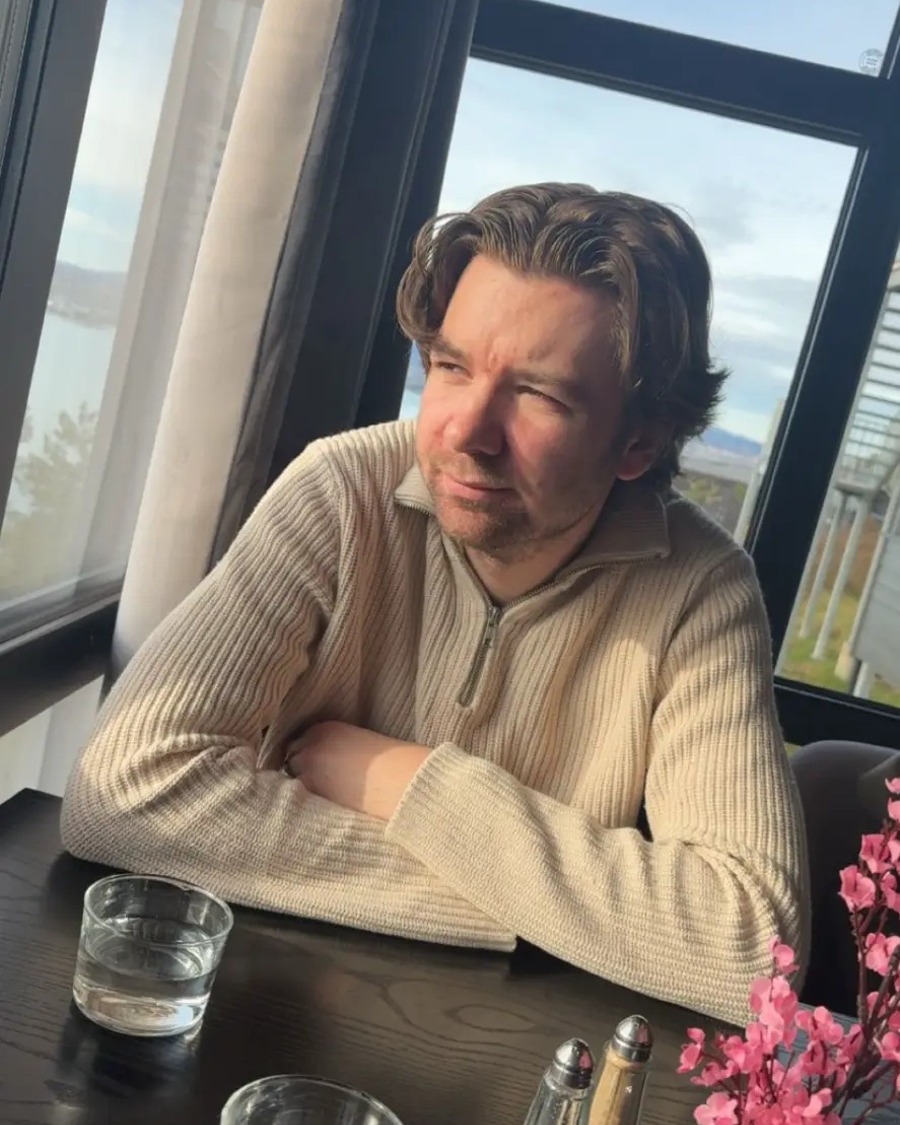
    Portrait of Chris Sørensen by a window

    It started with communication.

    Before UX, I studied Media and Communication. I learned graphic design, advertising, film and storytelling — but the most important lesson went beyond the tools.

    How an idea is framed, visualized and communicated changes how people perceive it. At the same time, entrepreneurship gave me somewhere to apply it: concepts, visual identities, prototypes and pitches.

    Ideas don't speak for themselves.
    Then I tried to build one.

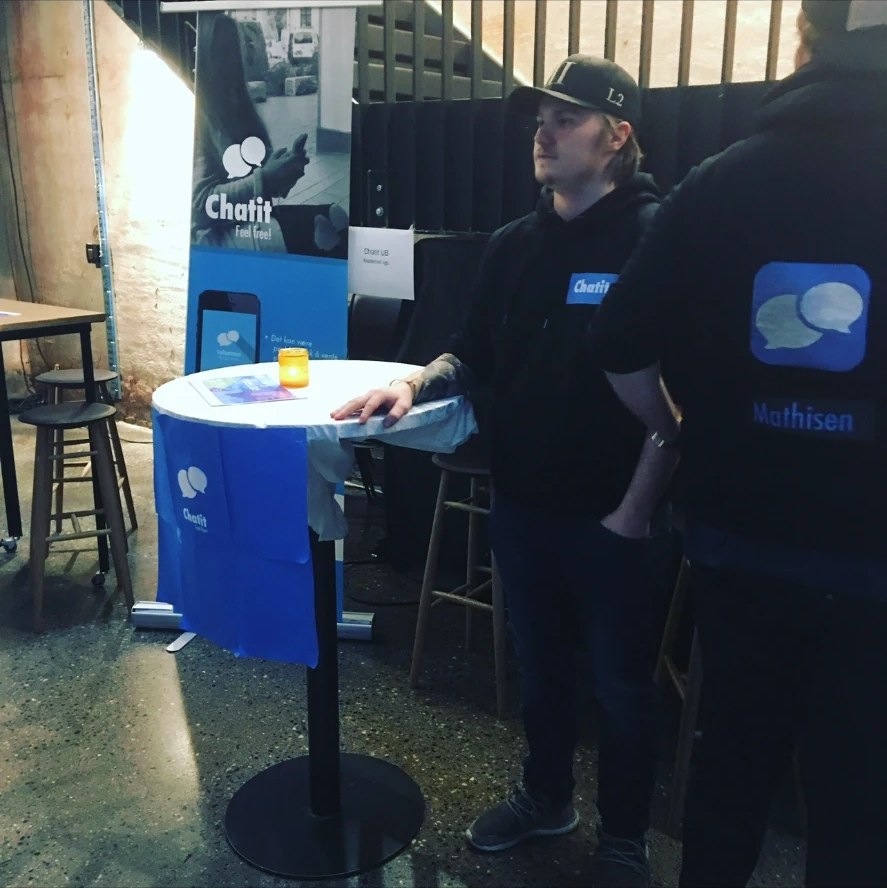
    In 2016, I started Chat It, one of my first attempts at turning an idea into a digital product. I developed the concept, designed the experience and created a prototype convincing enough to communicate what it could become.

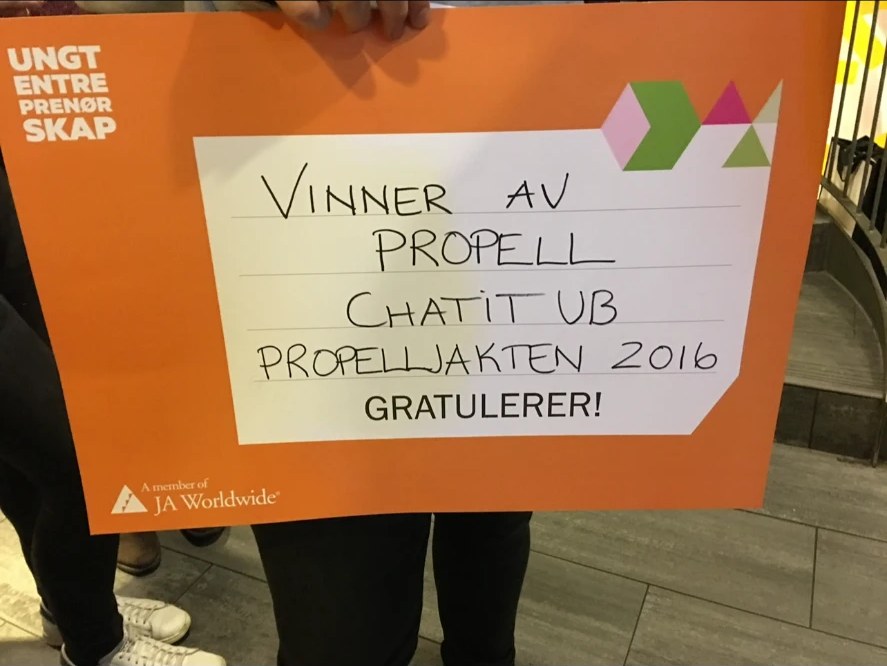
    Then I pitched it — and won. Chat It was awarded Propell in Ungt Entreprenørskap's Propelljakten in 2016. But Chat It was never launched. I knew how to communicate the vision. I didn't yet know how to build the organization around it — leadership, a technical network and the structure needed to move from prototype to production.

    Award sign from Ungt Entreprenørskap (JA Worldwide): Winner of Propell, Chatit UB, Propelljakten 2016
    Chris at the Chat It stand during Propelljakten

    Winning the pitch taught me I could make people believe in an idea. Failing to launch taught me that belief isn't enough.

    Then I became curious about the person on the other side.

    Psychology studies gave me language for something I was already curious about: why people behave the way they do. Perception, motivation, attention, trust and decision-making.

    I didn’t become a psychologist. But the questions stayed with me. Behind every interface is a person trying to understand what happens next.

    Sales taught me that value has to be understood.

    At Loyalty, I worked with B2B meeting booking. It taught me to listen, find relevance quickly and create enough curiosity for the next conversation.

    A solution can be valuable, but if people don't understand that value, they have little reason to choose it.

    Good communication isn't always about saying more. Sometimes it's knowing what matters enough to say less.

    Leadership taught me that ideas need people.

    As a store manager at Yummy Heaven, I was responsible for people, daily operations, sales, visibility and the customer experience. I worked with campaigns and used my design background to improve how the store communicated.

    I also developed a proposal for a new visual identity. It wasn't implemented — and that taught me something important: designing a good idea and getting an organization behind it are two different skills.

    Eventually, I found the discipline that connected everything.

    UX gave me a structured way to bring people, communication, behaviour, technology, business and systems together.

    The interface became only one part of the product.

    Beyond the interface.

    Today I deliberately stay close to technology — from AI and digital products to physical automation systems. Not because I need to be the best engineer in the room, but because understanding what's possible changes what I'm able to design.

    Working hands-on with automatic door systems has also given me another perspective: systems aren't abstract. They exist in environments, depend on other components, fail in unexpected ways and ultimately have to work for real people.

    Digital or physical, the question is often the same: how do the parts work together?

    I connect the dots.

    I’ve worked across different environments, roles and disciplines. I don’t see them as a collection of unrelated experiences anymore. They changed the questions I ask.

    UX is my specialization. The wider perspective is my advantage.